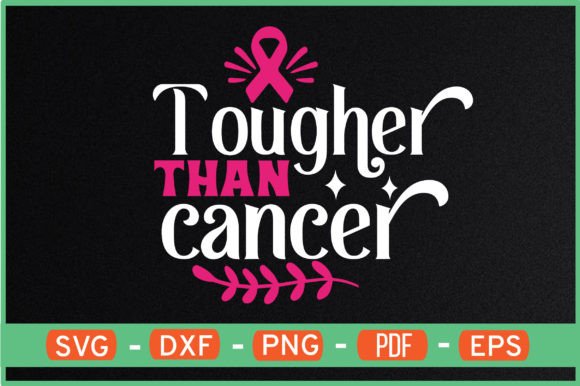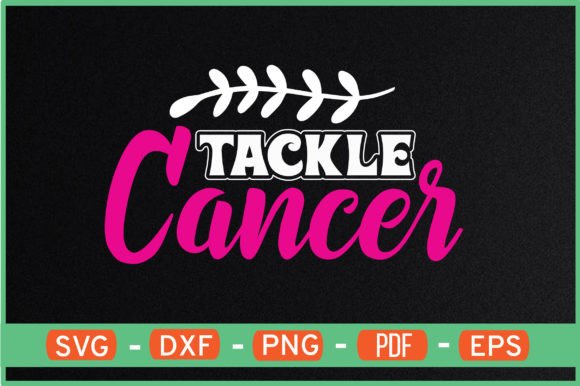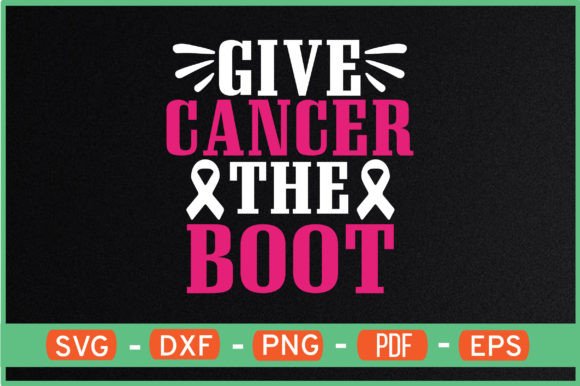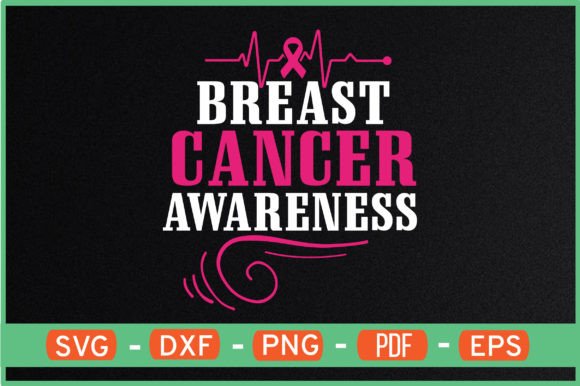
Breast Cancer Awareness T-Shirt Designs
First Impressions: Simple, Sincere, and Stitch-Ready
As someone who’s digitized, stitched, and sold hundreds of embroidery designs—especially for cause-driven projects—I opened Breast Cancer Awareness T-Shirt Designs expecting clarity over clutter. What I found was a clean, centered motif: likely a ribbon, possibly with subtle flourishes or integrated text like “Hope” or “Warrior.” It doesn’t shout—it resonates. The layout feels balanced for chest placement on tees, left-chest positioning on totes, or center-front on baby onesies. There’s no excessive detail that would collapse at 3" wide, no fragile stems or hair-thin lines that vanish under satin stitch. That alone tells me this was made *for stitching*, not just screen display.
A Real Project in Mind: Embroidering a Soft Cotton Tote for a Local Fundraiser
Last week, I prepped a batch of organic cotton tote bags for a community breast cancer walk. I pulled up Breast Cancer Awareness T-Shirt Designs to test it as a 4.5" chest emblem—not too big, not too small—and ran it through my workflow. On medium-weight canvas, with tear-away stabilizer and 40-weight rayon thread, the design stitched cleanly: smooth satin-stitched ribbon edges, even fill-stitch background (if present), and no thread breaks or nesting. Customers noticed it immediately—not because it was flashy, but because it looked *intentional*, handmade, and respectful. That matters. When you’re stitching for awareness, credibility isn’t built by complexity—it’s built by legibility, consistency, and care.
Where This Design Shines—And Where It Needs Thought
Breast Cancer Awareness T-Shirt Designs works best where emotional resonance meets practical execution:
- Custom apparel: Ideal for t-shirts, sweatshirts, and lightweight hoodies—especially when paired with minimal branding or a single-color palette.
- Tote bag design & aprons: Holds up beautifully on structured, low-stretch fabrics. The scale translates well without distortion.
- Baby embroidery & nursery decor: Gentle enough for onesies and pillow covers—no sharp angles or dense fills that stiffen delicate fabrics.
- Embroidered patch base: Clean outer edge means easy cut-and-sew application onto denim jackets or backpacks.
- Holiday embroidery & personalized gifts: Works quietly alongside monograms or names—never competes, always complements.
But here’s where attention is non-negotiable:
- Small hoop sizes (under 4"): Check if fine details (like tiny dots or thin stems) survive scaling down. If they blur or disappear, stick to 4"–5" minimum.
- Textured or stretchy fabric: Sweatshirts with heavy fleece or ribbed knits need extra stabilizer—and a test run. Running stitch outlines may waver if tension isn’t dialed in.
- Dark fabric: Light thread colors (pink, white, silver) pop—but verify contrast in your mockup. A pale pink satin stitch can fade into navy without proper underlay.
- Curved surfaces (caps, beanies): This design wasn’t built for high-crown caps. Stick to flat or gently contoured areas unless you’ve tested hooping stability first.
- Frequent-wash items (kitchen towels, kids’ tees): Avoid ultra-dense fill areas. Look for breathable stitch density—tight fills crack over time.
What It Adds to Your Finished Product—Beyond the Stitch
This isn’t just about how it looks on the machine—it’s about how it lands with people. Breast Cancer Awareness T-Shirt Designs elevates perceived value because it reads as *designed*, not downloaded. Customers trust handmade products that feel considered: consistent spacing, intentional line weight, and balanced negative space signal professionalism—even on Etsy listings or craft fair tags. For small shop owners, that quiet polish builds brand consistency across embroidered patches, tote bags, and holiday gift sets. For Etsy sellers, it improves buyer engagement: clean digital embroidery files mean better printable mockups, sharper product photos, and fewer “Does this come in blue?” messages.
Practical Embroidery Designer Notes—Before You Stitch
You’ll get the most from Breast Cancer Awareness T-Shirt Designs if you treat it like a collaborator—not a plug-and-play asset. Here’s what I do every time:
- Test on scrap fabric first—same weight and weave as your final project.
- Review stitch density in your embroidery software. If fill areas look muddy or overly thick, adjust underlay or reduce density slightly.
- Confirm hoop size compatibility. Since only SVG and DXF files are included, double-check whether your embroidery machine software accepts those formats—or if conversion is needed.
- Inspect small details at 200% zoom: Are letterforms legible? Do corners lock cleanly? Does the ribbon taper smoothly?
- Test black-and-white mockups—this reveals contrast issues before thread is cut.
- Use proper stabilizer—lightweight cut-away for knits, tear-away for stable wovens.
- Verify licensing before selling finished items or bundling the file. This is a digital embroidery file—commercial use rights aren’t implied unless stated.
Final Thought: Purpose Meets Practicality
Breast Cancer Awareness T-Shirt Designs won’t wow with fireworks—but it delivers something rarer in Crafts and Graphics: quiet reliability. It fits naturally into real workflows—whether you’re stitching 12 baby onesies for a boutique launch or building a cohesive line of embroidered kitchen towels for holiday gifting. It respects the wearer, the maker, and the cause. And in embroidery, that balance—between meaning and mechanics—is where the best design lives.