Tougher Than Cancer T-Shirt Designs Svg: A Designer's Honest Review for Real Embroidery Work
Every so often a design file lands on my desk that makes me pause before even opening the folder. Tougher Than Cancer T-Shirt Designs Svg carries that kind of weight. The name alone sets a tone. It is bold, deeply personal, and carries an emotional charge that you do not often find in standard Crafts and Graphics bundles. But a strong message does not automatically make a strong embroidery project. I have learned over years of running a small handmade shop that the real test is how a design translates from screen to stitched product, how customers respond when they hold the finished piece, and whether the artwork holds up under real sewing conditions.
I sat down with this file intending to answer one practical question: if I were preparing a batch of custom embroidered sweatshirts for a cancer awareness fundraiser next month, would this design earn its place on my hooping station?
First Impressions and the Mood of the Design
Opening the zip file, I found exactly what the product listing promised. The Tougher Than Cancer T-Shirt Designs Svg package keeps things straightforward with the SVG and DXF formats. No fluff, no overcomplicated folder structure. For someone who works primarily with embroidery digitizing software, I immediately appreciated the clean vector foundation. SVG files scale without losing integrity, and that matters enormously when you need to test a design at four inches for a cap and then at eight inches for a tote bag center panel.
The visual personality of this design feels defiant in the best way. It does not whisper. It plants its feet and speaks plainly. When I imagine this stitched out on a charcoal grey crewneck sweatshirt with a soft ivory thread, the contrast would demand attention. Customers scanning a craft fair table or an Etsy listing would stop on this design not because it is decorative, but because it says something they feel. That is the kind of emotional connection that turns a casual browser into a buyer.
Where This Design Truly Belongs
Not every artwork fits every product, and forcing a square design into a round hoop is a mistake I made plenty of times early in my career. With Tougher Than Cancer T-Shirt Designs Svg, the layout and theme naturally steer it toward several specific project types that I would confidently pursue.
Custom Apparel and Wearable Statements
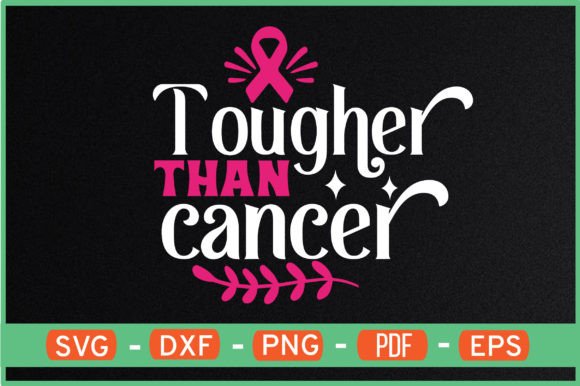
Sweatshirts and t-shirts are the obvious starting point. The design carries a message that people want to wear visibly. I see it working beautifully on a unisex crewneck in heather grey, navy, or soft pink, especially for fundraiser events, support walks, or personal recovery milestones. The lettering style, which I examined closely in the SVG preview, looks substantial enough to stitch clearly without becoming a dense bulletproof patch on the chest. For a left-chest placement around four inches wide, this would read perfectly from a conversational distance.
Accessories and Gift Items
A canvas tote bag might be the sleeper hit for this design. Picture a natural cotton tote with the design centered in a warm metallic gold or a deep rose thread. It becomes a grocery bag with meaning, a teacher gift that holds tissues and thank-you notes, a care package item that quietly communicates solidarity. The same applies to a linen pillow cover, where the stitched message could live on a bed or a favorite armchair as a daily reminder of resilience. For holiday gift markets and boutique product lines, this design fills a niche that is heartfelt without being overly sentimental.
Patches and Small Format Applications
An embroidered patch version of this design could work beautifully on denim jackets, backpacks, or hat side panels. However, I would approach cap embroidery with extra caution. Curved surfaces are unforgiving. If the design has fine serifs or tightly spaced elements, the curvature of a baseball cap could distort readability. Testing on a flat patch blank first is the smarter route before committing to a structured cap.
The Real Project Test: A Custom Sweatshirt Order
Let me walk through a realistic scenario because that is where design evaluation actually matters. A returning customer reached out last week. Her sister just finished chemotherapy, and she wanted five matching sweatshirts for a family celebration. She wanted something that felt strong but not aggressive, legible but not shouty. I pulled up Tougher Than Cancer T-Shirt Designs Svg as one of three options I showed her.
She picked it immediately. Her exact words were, "That is exactly how she talks about it." That reaction told me something important. The design captures a voice, not just a phrase. It speaks in the first person. When a customer sees their own experience reflected in a product you make, they do not haggle over price. They trust you. They tell others. They come back.
I test-stitched the design on a scrap of cotton fleece before touching the actual sweatshirts. Thread color testing matters enormously here. A white design on a dark heather grey looked crisp and dignified. A pale blush pink thread on a cream sweatshirt felt softer, more intimate, better suited for the recipient's personal style. A bright gold on navy blue screamed celebration. Each choice changed the mood without changing the message, and that versatility is a genuine asset in a small-batch production environment.
Technical Realities Every Embroidery Designer Should Consider
Now for the unglamorous but essential part of any honest review. The SVG and DXF files in this purchase are built for cutting machines, not direct embroidery machine loading. That is perfectly fine, but it means you need an extra step in your workflow. You will want to bring the design into your digitizing software, whether that is Hatch, Embrilliance, or another platform, and assess how it converts to stitches.
Lettering is the biggest variable. Inspect every character closely when you convert the vector to an embroidery file. Thin strokes that look elegant on screen can become fragile running stitches that disappear into textured fabric or break under tension. A satin stitch with adequate width, typically at least one and a half millimeters for lowercase letters, will hold up dramatically better. If the original lettering runs on the finer side, consider thickening it slightly during digitizing. Your customers will never notice the half-millimeter adjustment, but they will absolutely notice if the thread frays after three washes.
Stitch density also deserves attention. A design that looks beautifully solid in the SVG preview can translate into an embroidery file that is stiff, puckered, and uncomfortable to wear. For sweatshirt applications, I aim for a fill stitch density that is firm enough to cover the fabric but light enough to preserve drape. Nobody wants a chest emblem that feels like cardboard.
Fabric Considerations Across Different Product Types
Stretchy fabrics like jersey t-shirts and baby clothes demand a cutaway stabilizer and careful hooping. The design will pull and distort if your stabilizer is too light or your tension is off. For thin fabrics, a tear-away stabilizer alone is rarely sufficient. I learned this the hard way on a batch of infant onesies years ago. The stitches held, but the fabric rippled around the design like a topographical map. A good no-show mesh stabilizer solved the problem, and I now apply that lesson to every lightweight garment I embroider.
Dark fabrics introduce contrast challenges. A design that pops on a white screen can vanish on a black t-shirt if the thread color is not intentionally chosen. Check your thread against the actual fabric under the lighting conditions where the finished product will be seen. A craft fair booth under warm halogen lights looks nothing like the natural daylight of an outdoor market. I keep a small swatch book of every fabric and thread combination I have tested, and it has saved me from countless re-dos.
Textured fabrics like terry cloth towels or fleece blankets add another layer of complexity. The nap of the fabric can swallow fine details. Before committing to a full run, stitch a sample on a corner of the actual towel or blanket you plan to use. Adjust the underlay stitching and consider a water-soluble topper to keep the surface smooth during embroidery. The topper washes away, leaving crisp edges that would have otherwise been fuzzy and indistinct.
How This Design Shapes Customer Perception and Product Value
A design like Tougher Than Cancer T-Shirt Designs Svg carries meaning before you even thread the needle. That meaning directly impacts how your finished product is received. Handmade items that connect to personal experiences tend to command higher prices and generate repeat customers because the product becomes tied to a memory or a milestone. When someone purchases an embroidered piece with this message, they are rarely buying on impulse. They are buying with intention. That shifts the entire sales dynamic in your favor as a maker.
From a brand consistency standpoint, this design lets you build a cohesive collection. You could place it across sweatshirts, tote bags, kitchen towels, and patch sets, creating a recognizable product line that feels intentional rather than scattered. For Etsy sellers and craft business owners, this kind of thematic focus helps your shop stand out in a crowded marketplace. Buyers remember shops with a clear identity.
Giftability is another factor I weigh carefully. Some designs are beautiful but hard to give. They feel too specific, too niche, or too risky. This design, by contrast, lands in a sweet spot. It is personal enough to feel curated but universal enough that a coworker, a neighbor, or a distant relative could receive it and feel the sincerity. I have seen designs with this emotional tone become top sellers during cancer awareness months, holiday giving seasons, and recovery milestones.
Practical Workflow Notes from a Working Designer
Before listing any product that uses this design, I would run through my standard pre-production checklist. First, test on the exact fabric you intend to sell. Cotton fleece behaves differently from poly-blend, and a design that stitches perfectly on one can pucker on the other. Second, check the design in black and white to evaluate contrast and legibility without color to lean on. If it reads well in grayscale, it will read well in thread. Third, create a printable mockup for your listings using the clean SVG file. This is where the vector format really shines. A crisp, scaled preview builds buyer confidence and answers questions before they get asked.
Stabilizer choice is not one-size-fits-all. For sweatshirts, I use a medium-weight cutaway. For tote bags, I layer a tear-away with a lightweight fusible to prevent tunneling on the dense canvas. For tea towels, a water-soluble topper over a tear-away keeps the stitches from sinking into the weave. Each product type demands its own setup, and skipping this step is the most common mistake I see in beginner embroidery shops.
Hoop size verification is another pre-flight essential. Measure the actual stitchable area of your hoop, not just the labeled size. A four-by-four hoop rarely gives you a full four inches of stitching width. If the scaled design pushes too close to the hoop edge, you risk registration errors and needle strikes against the frame. I always leave at least a quarter-inch buffer on all sides.
Small Shop, Big Impact: Selling Products with This Design
The commercial potential of Tougher Than Cancer T-Shirt Designs Svg deserves a clear-eyed look. Before offering finished items that incorporate this artwork, confirm the licensing terms directly with the seller or platform. The product listing describes what you receive in the zip file, but the permitted uses, whether personal only, limited commercial, or full commercial, need to be verified from the license documentation included in the download or on the seller's page. This is not legal advice, just the habit of a cautious business owner who values creative work and wants to stay on the right side of intellectual property rules.
Assuming commercial use is permitted, the range of viable products is genuinely broad. Embroidered patches sell reliably at craft fairs and in online marketplaces. A set of two or three patches bundled together creates a higher perceived value than a single patch at a higher price point. Kitchen towels with this message could anchor a cancer awareness gift basket alongside handmade soaps and a candle. A baby onesie with a softened thread color and a gentler placement could become a cherished keepsake for a family navigating a difficult diagnosis.
For digital product sellers, the SVG file itself can serve as a design asset in mockup creation, digital product previews, and branding materials. The clean vector lines hold up beautifully when overlaid on product photography, giving potential buyers a photorealistic sense of what their finished item will look like. This reduces return requests and increases buyer confidence, both of which directly benefit your shop metrics.
Final Assessment Before the First Stitch
After spending real time evaluating Tougher Than Cancer T-Shirt Designs Svg from every practical angle, I see a design that earns its place in a working embroidery studio. It is not a decorative flourish. It is a statement piece with emotional resonance that carries through to the finished product. The SVG and DXF formats provide a flexible foundation for digitizing, mockup creation, and scaling across multiple product types. The theme connects with buyers on a level that goes beyond aesthetics, and that genuine connection is what transforms a handmade item into a meaningful purchase.
Commit to testing. Test on the fabric your customer will receive. Test under the lighting they will see it in. Test after washing, after drying, after a week of wear. A design this personal deserves that level of care. When someone buys a product with this message, they are not just buying thread on fabric. They are buying a reminder of strength they needed on a hard day. Make sure that reminder holds up.