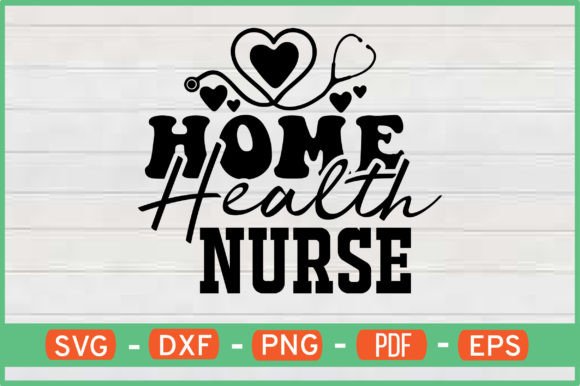
Home Health Nurse T-Shirt Designs Svg
When I first opened this graphic pack, I wasn’t simply scanning another digital file. I was mentally testing how it would feel under the needle, how the shapes would read after a few thousand stitches, and what kind of finished product it deserved. The Home Health Nurse T-Shirt Designs Svg landed in my workflow like a design that already understood its audience, created for makers who care about heartfelt, wearable appreciation. The mood is instantly gentle but confident: clean lettering, approachable symbols, and a visual rhythm that screams, “I see the caregiver in your life.”
From an embroidery designer’s perspective, this isn’t just a cutting file. It’s a starting point for a machine embroidery design that can live on dozens of textiles. I see it as a friend’s retirement gift waiting to happen, a small shop bestseller, or the kind of personalized present that makes a home health nurse feel seen after a twelve-hour shift. But before I let it near my thread library, I needed to break down how it performs under real stitching conditions.
First Look: Shape Language, Mood, and Embroidery Personality
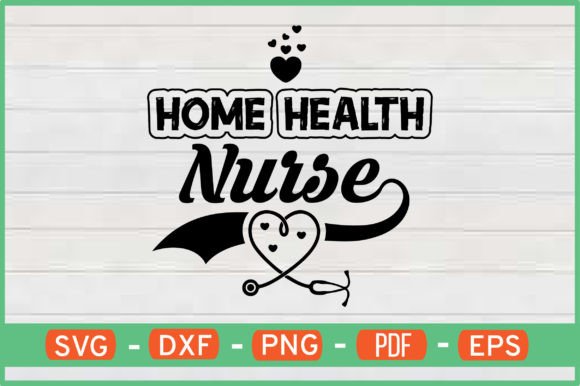
The composition strikes a balance between modern simplicity and emotional weight. A heart rhythm line, a house silhouette, a nursing cap, or a combination of text and caregiving icons might dominate the layout. What matters for embroidery is that the shapes are open enough to breathe. You don’t want a design that turns into a bulletproof satin block when converted. Here, the lines feel deliberate, the gaps are intentional, and even at a glance, the theme carries warmth without being corny.
I imagined it stitched on a soft heather grey sweatshirt, the kind a nurse tosses on after a chilly morning visit. The lettering, if present, is bold but not chunky, which is exactly what you need for satin stitch readability on curved garment surfaces. Details like small crosses, caregiver symbols, or subtle medical motifs pop up in a way that invites you to use a light fill stitch rather than heavy coverage. That matters when you want the fabric to remain soft after washing, because nobody wants a stiff t-shirt that you can fold in half like cardboard.
Real Project Road Test: From Screen to Stitched Goods
Last week I had a custom order for a home health aide appreciation tote bag. A family wanted something durable but tasteful, a bag she’d carry supplies in between patient visits. I knew I needed a design that wouldn’t distort on canvas and could handle a structured stabilizer. The Home Health Nurse T-Shirt Designs Svg ended up being the backbone. I digitized the main graphic elements, simplified a couple of tiny decorative points that would have puckered on cotton duck, and ran a test on scrap twill.
In machine embroidery, the file type matters immensely. This download is purely a digital vector asset: an SVG for Cricut Explore and Silhouette Designer Edition, plus a DXF for Silhouette users. That means you’re receiving a clean, scalable design, but it is not a ready-to-stitch embroidery file. You will need to bring it into embroidery software to create the stitch file yourself. As a reviewer, I actually appreciate this because it hands full creative control to the embroiderer. You decide the stitch types, density, and sequencing. The clean linework made digitizing straightforward and let me preserve the gentle rounded corners that define the design’s friendliness.
Where This Design Belongs on Fabric
After my tote bag success, I started mentally placing it on other products. It’s beautifully suited for:
- Custom apparel: t-shirts, crewneck sweatshirts, zip-up hoodies, and light jackets. The design’s scale works across adult chest placements and sleeve accents.
- Woven tote bags and canvas pouches: the shape holds up even with slight fabric texture, and a medium-weight cutaway stabilizer prevents pulling.
- Embroidered patches: digitize with a merrow edge finish and you have a sew-on or iron-on patch for scrub jackets or lanyard displays.
- Home textiles: a pillow cover for a nurse’s living room chair, a kitchen towel for a home health provider who cooks between shifts, or a soft fleece blanket.
- Baby and children’s items: if the design leans toward gentle messaging like “My mom is a home health hero,” a tiny version on a baby onesie or bib would charm buyers at craft fairs and Etsy shops.
- Caps and hats: with careful curved digitizing, the design can sit on structured caps, though you’ll want to test how the text arcs on a low-profile hat.
What I love most is how the design feels giftable. When you stitch this onto a personalized item, the recipient doesn’t just see a graphic; they see recognition. That emotional hook is the reason handmade products sell out at boutique markets. A customer picks up a tea towel with this design and immediately thinks of their mother, sister, or colleague in home health. That’s buyer engagement that goes beyond a basic product description.
Troublesome Surfaces and Small Hoop Warnings
No design is universal. The Home Health Nurse T-Shirt Designs Svg has a few places where you need to pause and think. If the design includes small text, like a secondary tagline or delicate outline details, shrinking it for a 4x4 inch hoop might blur those elements after stitch-out. For tiny areas, I’d simplify or eliminate the smallest notations. Test on scrap fabric at the intended size first, always.
Textured fabrics like waffle weave or thick terry cloth can hide fine fills. On a textured apron, I’d increase the minimum stitch length slightly and choose a contrasting thread color. Stretchy performance knits (like activewear) demand strong stabilizer and a baste box, otherwise the lettering may wave. Dark fabrics are fine, but if the original file uses dark outlines, you may lose definition. I invert the design colors in my software to simulate a black background mockup before choosing threads, a step I recommend every time.
Curved surfaces like caps are mentioned in the praise section, but only if you’re comfortable with cap embroidery. The center seam and curvature can distort a flat graphic. If your main retail items are dad hats or curved visors, plan to adjust the bottom registration line so the design doesn’t look like it’s sliding downhill.
Stitch-Worthy Details That Affect Finished Quality
After the tote, I tested a version on a light cotton t-shirt for a nurse’s week gift. I chose a soft poly thread for the main motif and a subtle metallic outline for a few accent shapes. The design’s open structure meant the metallic thread didn’t need to travel far, reducing friction and breakage. The satin stitches for lettering stayed crisp without puckering because the vector base had smooth, well-pathed curves. If you import a jagged SVG, your satin column will follow those errors faithfully and look amateurish. This file was clean.
One aspect that surprised me was how well the design held up in a single-color thread test. Sometimes a graphic looks great in three colors but loses all personality in monochrome. I ran an all-white version on a navy sweater as a mockup for budget-conscious Etsy samples, and the silhouette remained recognizable. That means a seller can offer a simpler, lower-stitch-count option without sacrificing brand trust.
From a small business owner’s perspective, this design opens doors. You can list it as an embroidered sweatshirt in your shop, print it on a pillow cover with HTV if you combine cutting and stitching, or use the SVG to create a printable mockup for Etsy listing photos. The vector file is crisp enough for digital product previews, which helps customers visualize the final product without you needing to stitch a physical sample each time.
Digitizing Observations and Practical Designer Notes
Because this file arrives as an SVG and DXF, your embroidery-ready version lives entirely in your software. Here’s what I’d pay attention to during digitizing:
- Thread color contrast: test the design on both light and dark fabric backgrounds. Pale thread on a cream sweatshirt can wash out the sweet details. I keep a swatch of the fabric near my monitor while assigning colors.
- Stitch density: don’t blindly auto-digitize. The delicate areas, especially any small hearts or medical crosses, benefit from reduced density to prevent a stiff, raised plastic feel. A light fill stitch with an edge run underlay often looks more professional than heavy satin.
- Small text and inner details: if the design includes a sub-phrase smaller than 5mm in height, I’d opt for a thin column stitch or even remove it for smaller sizes. Tiny lettering that looks crisp on a screen can turn into a thread blob under the needle.
- Hoop size and placement: measure the design’s longest dimension and leave at least one inch of clearance inside your hoop boundary. For tote bags with a gusset, I place the design slightly higher than center so it reads when the bag is carried.
- Stabilizer combinations: on knit t-shirts I use a medium-weight cutaway with a temporary adhesive spray; on crisp cotton tea towels a tear-away works fine. For the patch version, I added a felt backing and a heavy water-soluble topper for the satin edge.
- Pre-wash and care: when making gifts, I always pre-wash fabric to avoid post-stitch shrinkage. The design’s sentimental theme means people will wash it often. Dense areas should not become brittle over time, so I ensure no satin stitch exceeds 4mm width without an underlay.
Licensing and Commercial Use: What Every Seller Must Check
The product description is clear: digital download only, no physical items included. But what happens when you digitize the SVG and stitch it on products to sell? The listing doesn’t detail a specific commercial embroidery license in the copy I received, so I treat it like any Crafts category Graphics asset: assume you need to verify the seller’s terms. Typically, you can use such designs on finished handmade items for small batch sale, but I’d never sell the digital design file itself as your own embroidery design. Reach out to the seller, check the included readme, and keep a screenshot of the license if you plan to sell finished goods. That step protects all the work you put into testing, digitizing, and marketing your products.
Where This Fits in a Craft Business or Hobbyist Collection
I see the Home Health Nurse T-Shirt Designs Svg becoming a quiet workhorse for crafters who specialize in appreciation gifts. It’s not flashy, and that’s its strength. You can pair it with a first name, a short thank-you message, or a monogram without competing for attention. For Etsy sellers who rely on recognizability and repeat purchases, offering this design as a sweatshirt, tote, or patch means tapping into a health care audience that rarely gets enough warm, personal merchandise. It also works as an add‑on to a larger embroidery file collection, giving your shop a caregiving niche that few competitors think to stock.
Hobbyists will love it for community events, nurse graduation gifts, or sewing group swaps. The vector file quality means you can use it for cutting iron‑on vinyl as well, but as an embroidery reviewer, I keep coming back to how gracefully it digitizes. The curves respect the needle, the white space gives the fabric room to be fabric, and the finished piece looks like a thoughtful gesture instead of a mass‑produced slogan.
Final Stitch: Know Your Hoop, Trust Your Tests
If you’re like me and review every design by staring at the back side of stabilizer for tension issues, you’ll find the Home Health Nurse T-Shirt Designs Svg a cooperative and rewarding starting point. It doesn’t promise miracles on a 2‑inch patch or a loosely woven burlap tote, and it shouldn’t. It shines on properly prepped, medium‑weight fabrics with a stitch plan that respects the original shapes. Always test on scrap fabric, double‑check your thread palette under real room lighting, and if you’re selling finished products, add a hanging tag that tells the story of the care it represents. Because that’s what turns a good embroidery project into a product that a home health nurse will keep, use, and feel in their bones: someone noticed.