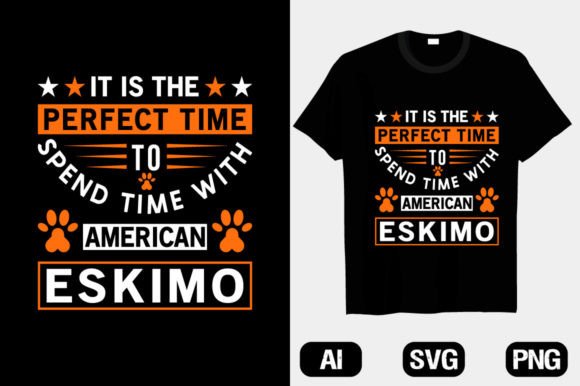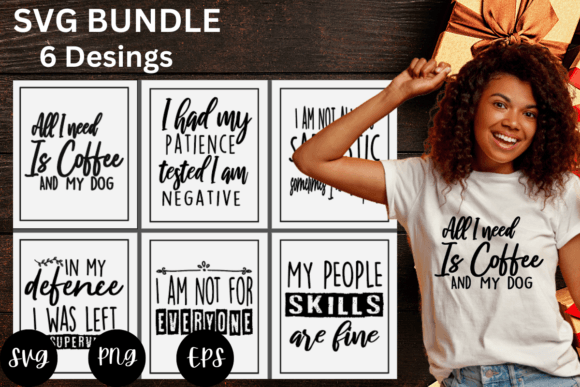
Graphics & T-Shirt Designs: SVG Bundle Insights
Opening a fresh graphic design asset folder is like walking into a well-organized creative studio. The SVGs T-shirt Designs Bundle gives off exactly that feeling — orderly, versatile, and quietly confident. No chaotic file names, no mismatched themes, just a clear collection of vector-based graphics that immediately made me think about editorial layouts, blog featured images, and high-click Pinterest pins. The first visual cue was a modern, clean, but warmly approachable mood — the kind that suits lifestyle content, side-hustle resource blogs, creative educator platforms, and even small-scale e-commerce newsletters. It leans slightly decorative without being fussy, which in publishing terms translates into a polished but not intimidating visual language readers trust.
An Unfiltered First Look at This T-Shirt Design Collection
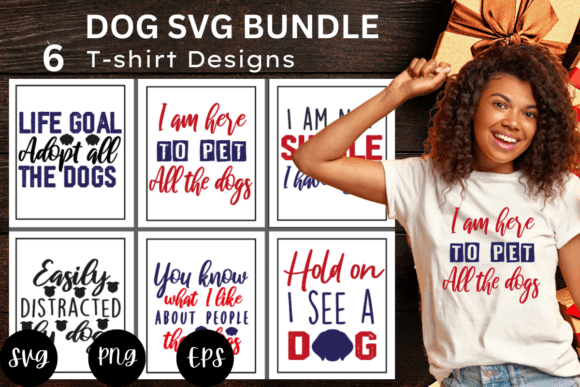
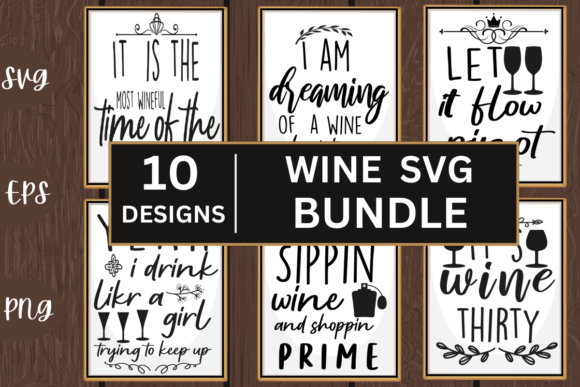
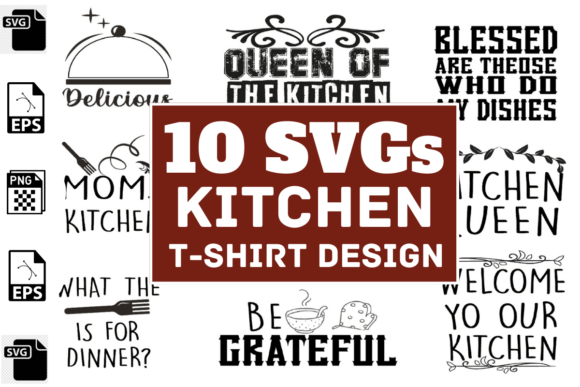
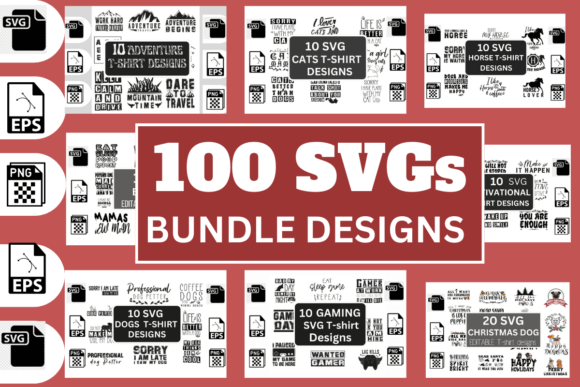
Right after unzipping the download, I scanned the file list: SVG, EPS, and transparent PNG formats neatly packed and ready. That trio is a publisher’s low-friction dream. The vector formats mean I can scale a graphic for a full-width website header without a pixel of blur, and the PNGs slot instantly into Canva templates, rapid blog images, or newsletter graphics. The designs themselves aren’t purely typographic — they include illustrative elements, badge-like motifs, and subtle decorative flourishes that lend themselves beautifully to both web design and printable decoration. I could already see them anchoring a digital guide cover or sitting inside a lead magnet without overpowering the core message.
What struck me most was the editorial versatility. These aren’t only “for T-shirts.” Yes, the bundle naturally fits T-shirt designs, hoodie prints, and card invitation layouts, but when I held them up against a draft article on creative entrepreneurship, they morphed into compelling category thumbnails and eye-catching social media graphics. That’s the hallmark of a well-built creative design asset: it escapes its original context and becomes a true graphic design asset for content that demands visual hierarchy and instant recognition.
The Mood It Creates and Where It Fits
Visually, the bundle carries a balanced energy — playful but structured, expressive but not chaotic. I’d describe the editorial mood as artistic personality meets commercial polish. If your blog deals with craft workshops, DIY printables, side-hustle growth, or even light e-commerce branding, these graphics align naturally. They also sit well with modern design themes that favor gentle curves, approachable iconography, and a touch of hand-drawn warmth. In a serious financial news site they would feel out of place, but for a creative marketplace store, a small business branding guide, or a content marketing blog, they inject just enough visual interest to increase perceived quality without shouting.
This particular bundle enables a kind of visual identity scaffolding. By reusing one or two consistent motif shapes across your blog graphics, Pinterest pin templates, and downloadable worksheets, you create brand identity cohesion that subconsciously builds reader trust. It’s something I always emphasize when reviewing design assets for publishing workflows: the asset must support a repeatable visual system. This one does.
Making Your Blog Visuals Undeniably Clickable
Let’s talk performance. A blog featured image has about a second to convince a scroller to click. With the transparent PNG files, I layered a decorative badge from the bundle over a lifestyle photo, added a crisp sans-serif headline, and watched the composition go from “nice” to “professional media kit material.” The improved visual hierarchy was immediate — the eye knew where to land. That’s the kind of subtle upgrade that can lift click-through rates on article pages or affiliate content, assuming your audience already resonates with the topic.
I also tested the graphics in a digital guide mockup. Placing an EPS file into my design software, I recolored it to match a pastel brand palette and dropped it into the guide cover. The result felt cohesive, expensive, and, most importantly, ownable. For newsletter creators or online educators building lead magnets, that sense of polish translates directly into higher perceived value — which, in turn, can improve email sign-up conversions.
Where These Graphics Shine in a Real Publishing Workflow
Through actual workflows, I found several sweet spots where the SVGs T-shirt Designs Bundle consistently outperformed generic stock icon sets:
- Blog featured images — layering the artwork behind or beside a headline for lifestyle, crafting, or entrepreneurial posts
- Pinterest pins — using the decorative elements as borders or badge accents to create a recognizable pin brand
- Article thumbnail graphics — small, recognizable motifs that help readers mentally categorize content
- Newsletter headers — especially effective when you keep one or two shapes consistent across issues
- Printable decoration and card designs — the native vector quality means flawless output for invitations, worksheets, or thank-you cards
- Digital guide and lead magnet covers — adding a professional edge without hiring a custom designer
- Social media previews for affiliate marketing content — hand-drawn accents soften sales-oriented messaging
- Website hero images — scaled up vectors create striking background patterns or focal accents
- Category icons or section dividers inside blog posts or content upgrades
For content marketers and creative entrepreneurs juggling multiple platforms, this bundle acts like a visual glue. You can pull one element, adapt the color in seconds, and keep your visual language consistent across a blog, a Teachers Pay Teachers store, an Etsy shop, or an email sequence. The ability to use the same asset on a hoodie mockup and a blog header without losing fidelity is a huge time-saver.
File Types That Actually Matter to a Blogger
Many digital download bundles promise flexibility, but the file types included here — SVG, EPS, PNG transparent — directly address a publisher’s real needs. SVG and EPS are critical for resizing without quality loss, whether you’re creating a massive hero image for a web redesign or a delicate printable for a workshop. Transparent PNG files remove the background hassle, which is essential when you need to place a graphic over a photo or a colored block without a jarring white box. I used the PNGs inside a Canva template for a quick social media graphics batch, and they integrated flawlessly.
For those building commercial design products — such as printables to sell, editable invitations, or digital planners — the EPS files offer full software compatibility with Adobe Illustrator and Affinity Designer, while the SVGs can be dropped directly into web design projects. That crossover between print and digital makes the bundle particularly attractive for bloggers who also maintain a small shop or an affiliate marketing library.
Smart Usage and What to Avoid
Even a stellar graphic design asset won’t rescue poor layout choices. I’d caution against using these detailed decorative elements as tiny mobile thumbnails where the nuance disappears. On a cramped smartphone screen, a complex badge might become an illegible smudge. Instead, simplify: pick the boldest, most recognizable element from the bundle for small-scale applications.
Also, be mindful when placing these graphics over text-heavy blog images. The intricate lines can fight for attention against words if contrast isn’t intentional. I always test a new design asset on a light background, a dark background, and blended over a photograph. The bundle’s transparent PNG files make that experimentation easy, but you must do it. Similarly, for serious corporate niches or legal blogs, the hand-drawn personality might undermine authority — reserve these assets for content where warmth and approachability are strengths, not weaknesses.
My Testing Routine Before Publishing Any Graphic Asset
Every time I integrate a new creative design download into a live site, I run a small pre-publishing ritual. Here’s the exact list I used for the SVGs T-shirt Designs Bundle:
- Open each file type on a high-resolution monitor to check the sharpness at 2x and 3x magnification.
- Place the asset inside a real blog layout — I used a draft post with a headline, four paragraphs, and an image placeholder — to observe how the graphic affects reading flow.
- Test three typography pairings: a serif headline (Merriweather), a sans-serif headline (Inter), and a script accent (Playlist) to ensure the design complements diverse editorial styles.
- Scale the graphic down to 150 pixels wide to simulate a category thumbnail; verify the core shape remains identifiable.
- Convert to grayscale to see if the design holds up in print contexts or low-color email environments.
- Check file sizes. The SVGs were lightweight (often under 50 KB), which is excellent for web performance. PNGs varied, but compression using TinyPNG kept them fast-loading without visible loss.
- Preview on an iPhone simulator to confirm it doesn’t become a visual distraction on mobile.
These steps protect editorial quality and reader trust. A blurry or jagged-edged graphic communicates carelessness; a thoughtfully placed one elevates brand identity. With this bundle, the assets passed every check.
Licensing Notes for Monetized Content
Before you add these graphics to a paid digital product, an affiliate marketing campaign, or a monetized blog, confirm the commercial license details. Most reputable creative marketplaces specify whether the design can be used on print-on-demand products like T-shirts and hoodies, for digital products offered to customers, or simply for personal projects. The product description mentions usage on T-Shirts, hoodies, printable decoration, and cards invitation design — a promising range — but I always recommend reading the fine print. For small business branding or client work, verifying the commercial design permissions is non-negotiable.
The value proposition here is solid. A single bundle providing editable vectors, transparent images, and print-ready files reduces the need to purchase multiple separate design assets. For a blogger managing a content calendar and a side shop, that consolidation means fewer design decisions, less file juggling, and a more consistent visual output. When I layered one of the badge graphics into a digital guide cover and later adapted it into a T-shirt mockup for a brand collab post, it felt like squeezing maximum mileage out of a thoughtful investment.
The Verdict from a Publisher’s Desk
If you’re a digital publisher, content creator, educator, or affiliate blogger who often stares at a blank canvas — whether that’s a blog header, a Pinterest template, or a downloadable worksheet — the SVGs T-shirt Designs Bundle deserves a spot in your asset kit. It bridges the gap between purely decorative clipart and functional editorial design graphics. The files are clean, the range of uses extends far beyond apparel, and the mood it creates supports the kind of reader-first, visually trustworthy experience that keeps people scrolling, clicking, and subscribing.
No graphic design asset is a magic wand, but this one significantly reduces the friction between your content idea and a polished, clickable visual. I’ve already pulled it into three active projects: a blog featured image for a productivity guide, a set of social media graphics for a handcrafted product launch, and a customer appreciation card that turned out beautifully printed. Each time, the results felt intentional, not templated. For digital download lovers who appreciate modern design with a touch of warmth, this bundle is an easy yes.