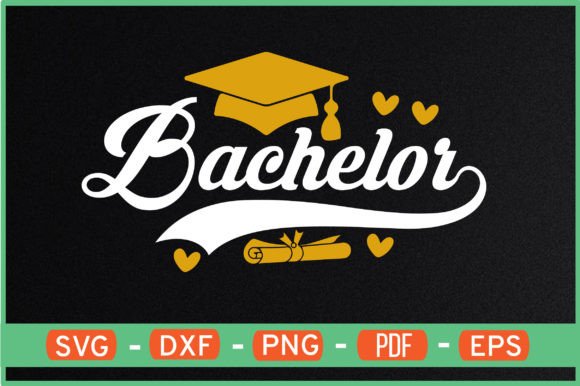
BACHELOR T-Shirt Designs Svg in Graphics & Crafts
When I first opened the BACHELOR T-Shirt Designs Svg file, I wasn’t hunting for a generic party graphic. I was mentally walking through the launch sequence for a new Etsy digital product collection — a last-minute bridal squad drop that could double as a print-on-demand capsule for spring wedding season. The design landed somewhere between cheeky, confident, and playfully modern. It’s not dainty or overly ornate. Instead, the visual personality leans casual-bold, the kind of statement typography or icon-driven aesthetic that resonates with bachelorette parties, bridal shower hosts, and the “bride tribe” culture thriving on social media right now.
For a seller like me who constantly tests design assets before investing in full collections, that first glance gave me clarity: this asset has niche pull, but it also needs careful handling if you want listings to look premium rather than template-heavy. The mood is festive without being childish, which makes it surprisingly flexible for both apparel and printable merchandise. That blend of bachelor-event energy and clean cut lines is exactly what many crafters search for when they type “bachelor svg” into creative marketplaces.
Unpacking the File and What Actually Arrives
The download delivers exactly one compressed folder. Inside, you’ll find a clean SVG file compatible with Cricut Explore and Silhouette Designer Edition, plus a DXF file that Silhouette users without the Designer upgrade can import. There’s no PNG preview bundled as standard, so I strongly recommend generating your own high-resolution preview image before uploading anything to a store. The absence of a ready-made thumbnail isn’t a flaw — it’s common for cutting-focused assets — but it does mean you need to budget five minutes to create your own mockup preview for listings, social pins, or product covers.
Because the file set is strictly digital, you’re getting the vector core and a DXF alternative. That’s efficient for crafting, but if your audience expects a ready-to-print PNG or a sublimation-ready file included, you’ll want to explicitly note that in the listing description, or provide it as a bonus. For my test, I opened the SVG in Adobe Illustrator and Cricut Design Space, then compared the path complexity. The lines were surprisingly clean for a design with what I’d call “bouncy” character energy. No stray nodes, no nested clipping masks that confuse beginner crafters. That’s a significant quality indicator for anyone selling graphics in the crafts space.
Who Will Click “Add To Cart”
This design speaks directly to a few buyer profiles. The first is the Etsy shopper hunting for customized crew neck or tank top files for a bachelorette weekend. They want something that prints well on light and dark fabrics, transfers with minimal weeding headaches, and doesn’t feel like a corporate stock asset. The second is the Canva template seller who layers typography designs over lifestyle mockups and sells party bundles. Third, the small business owner running a print-on-demand store who needs a design that adapts to mugs, totes, and tumblers without losing its legibility. A fourth, less obvious audience: the DIY event planner who buys SVG bundles to create signage, favor tags, and photo booth props for bachelor or bachelorette parties.
The design itself doesn’t photograph well if placed abruptly on a white background thumbnail without context. But paired with a textured mockup, a metallic foil preview, or a weathered hoodie photo, it immediately communicates style. That matters because thumbnail appeal drives click-through in crowded graphics categories.
Testing the Bachelor Vibe Across Product Mockups
I loaded the design onto six mockup templates: a heather gray crewneck, a stemless wine glass, a navy tote bag, a matte black ceramic mug, a kraft paper card, and a slim digital planner cover. The design retained its shape and intention across all surfaces. On fabric, the boldness held without feeling boxy. On the mug, I reduced the design size by about 30% and the scaling kept details intact. On the card, combining it with a delicate sans serif font underneath elevated the entire composition. That pairing — a sturdy main design with light supporting text — often separates a hobbyist’s preview from a professional listing image.
One thing I tested carefully was the contrast when the design sits on a soft pastel background. Since many bachelorette mockups favor blush, mint, or dusty blue, subtle gradients can wash out the graphic’s impact if you don’t pre-check. I found that duplicating the SVG layer and adding a slight offset shadow or a thin white outline helped retain definition without changing the design’s original style. If you’re selling to Cricut beginners, consider including that tip in your product description — it reduces buyer hesitation and returns.
Where This Design Shines Brightest
In my experience, not every SVG performs equally across product categories. This one thrives when used at medium-to-large scale on apparel, tote bags, fabric banners, and full-wrap sublimation mugs. It also fits cleanly into square-format printable wall art (8x8 inches, for instance) if the composition is balanced with other elements. Bundle creators can use it as the hero graphic of a bachelor-themed collection, perhaps alongside matching icons, rosette templates, or drink insert cards. The design’s confident feel makes it a natural anchor for coordinated product mockups where you want one element to dominate and the rest to support.
For digital paper packs or scrapbooking kits, you could extract a motif portion of the design as a repeating pattern accent, but that requires advanced vector editing. If you’re a designer selling to other creatives, offering a ready-made pattern tile expands the asset’s value beyond a single cut file.
Where You Need to Pause and Test
I wouldn’t recommend this design for products that demand tiny, intricate cutting lines smaller than 1.5 inches, such as vinyl stickers for phone cases or mini favor tags where fine details might tear during weeding. While the SVG paths are clean, the visual weight of the design benefits from breathing room. Crowding it into a tiny canvas reduces readability and can make a great design look cheap.
Also, be cautious with low-resolution PNG exports or sublimation prints on heavily textured towels. The definition can soften in a way that makes the design feel like a blurred stamp. I tested a polyester blend tea towel print, and while acceptable, it lacked the crisp snap you see on a smooth surface. For products like that, I’d either simplify the design or strongly recommend a cotton/poly blend with tight weave.
Dark background placement is another checkpoint. The design works on black, but you must verify that no transparent gaps or unexpected white fills appear in the SVG when displayed on dark mockups. My test on a charcoal tee showed no surprise artifacts, but always do a contrast pass before listing. Some cutting softwares render default white fills that need removing before print.
Commercial Use and Customer Readiness
Before you upload a listing, double-check the included commercial license. Most SVG designers in the crafts space allow physical product sales and print-on-demand usage unless explicitly restricted. If the license doesn’t specify, message the creator. There’s nothing worse than a trending product you have to unpublish because of an overlooked rights clause. My assumption is standard commercial use, but protect your shop by verifying. Once cleared, you can confidently turn this into a moneymaker that fits t-shirts, digital bundles, and even subscription box bonuses for event planners.
File organization is equally important when reselling as a digital product. Since the original zip contains only SVG and DXF, I suggest creating a polished folder structure before listing: perhaps add a “Bonus—PNG Preview” subfolder, a “Commercial Use Tips” PDF, and a clear file path naming. Buyers reward clarity, and well-organized downloads reduce support messages.
Maximizing Listing Appeal and Search Reach
When writing titles and tags, I think about what my ideal customer types at 11 p.m. after three failed Cricut projects. “Bachelor svg” is obvious, but also layer in variations that segment the market: “bachelorette t-shirt design,” “bride tribe cut file,” “bachelor party svg for men,” “silhouette bachelor design,” “gift for groomsmen diy.” In the graphic design asset space, specificity creates long-tail matches. Use those terms in your listing’s bullet points naturally. For tag sections, include “crafts,” “graphics,” and the occasion plus compatible machines.
I also test every design as a marketplace thumbnail before publishing. Take your final preview image, resize it to a 570-pixel width (a common Etsy display dimension), and check whether the design attracts attention when surrounded by competing thumbnails. Thumbnails with too much busy background lose that instant legibility. A tight crop on the design itself, over a soft gradient or subtle craft paper texture, typically tests better than a full mockup that shrinks the graphic too small.
Font Pairing and Design Expansion Ideas
This asset’s typography-driven elements play well with multiple font categories. For bridal-adjacent products, I paired it with a delicate modern serif and the result felt editorial. For a more masculine bachelor look, a clean geometric sans serif in all caps kept the mood sharp. When designing printable party games or invitation inserts, a script font softened the edges and added a celebratory flourish. A handwritten font brought out the casual “weekend with the boys” energy. The point: this single SVG can spawn several distinct product lines just by switching the accompanying type.
If you’re building a full digital bundle, consider creating the following around this centerpiece: matching groomsmen card designs, a coordinating hashtag sign, a cup wrap template, and a set of social media story templates with the bachelor motto. These add-ons increase perceived value and justify a higher price point for the bundle, while still letting you sell the standalone file for crafters who just want one shirt design.
Because the file is a vector, you can also explode the design into component pieces. Isolate a standout icon or phrase for smaller stickers or planner decals. Reassemble parts into a minimalist version for laser engraving on yeti-style tumblers. The modular approach gives you multiple sub-products from one master asset — a strategy I use when building a themed seasonal collection quickly.
Real Seller Notes Before You Publish
Throughout my testing, I noted these practical steps that may save you hours. First, test the weeding experience for a single-color cut. The design’s boldness means weeding is manageable, but tiny isolated bits near sharp turns might need adjustment for beginners. If you sell to novice crafters, consider including an instructional “weeding tips” card as a bonus file. Second, check the color separation if you plan to use it for layered heat transfer vinyl. Simple layering works, but complex registration might frustrate some buyers — provide a PDF guideline if layering is necessary.
Third, preview the printed result on a raglan baseball tee versus a standard tee. Thin horizontal stripes or color-blocked sleeves can distort the visual balance. I found a solid-color garment kept the design’s presence strongest. Fourth, confirm the SVG cuts on multiple material surfaces: permanent vinyl, iron-on, cardstock, and shrink plastic. In my tests, all performed as expected, with the cardstock version producing sharp enough lines for banner pennants. Fifth and finally, verify the file size doesn’t exceed 15MB if you’re uploading to marketplaces with file‑size caps. The raw SVG was lightweight, but double-check after adding any supplemental content.
This design asset won’t make an amateur look like a design studio overnight — but used strategically, it brings a focused, on-trend personality to a bachelor-themed product collection. For sellers who need a core graphic that pulls double duty across apparel, printables, and party merchandise, BACHELOR T-Shirt Designs Svg delivers exactly that practical flexibility without overcomplicating the file structure. Test it on your mockups, pair it with sharp supporting text, and you’ll likely find it becomes a quiet workhorse inside your digital catalog.